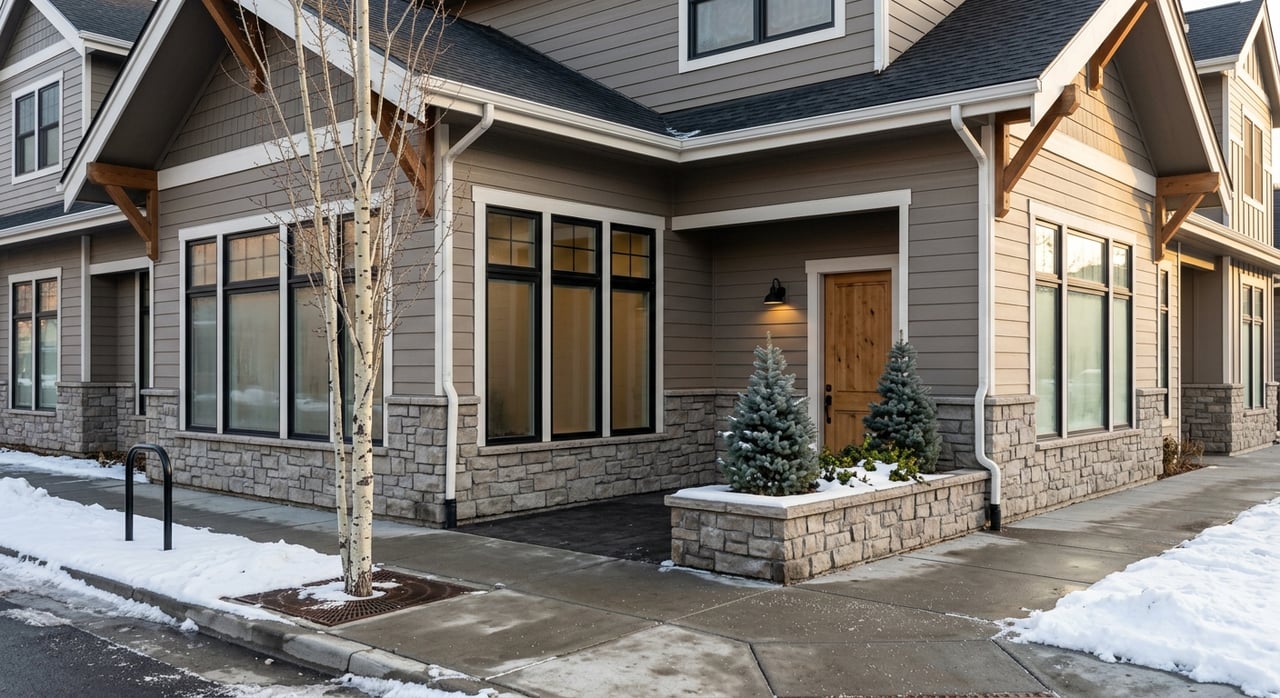
If you want a place that feels easy to enjoy without constantly getting back in the car, downtown Steamboat Springs makes a strong case the moment you start walking. You are not just moving along a single main street here. You are stepping into a compact, mixed-use core where coffee, groceries, art, river access, dinner, and community events can all fit into one relaxed day. Let’s dive in.
Why downtown feels walkable
Downtown Steamboat is designed around three connected street identities. Lincoln Avenue works as the retail Main Street, Oak Street transitions into Old Town’s residential areas, and Yampa Street anchors dining, entertainment, festivals, farmers market activity, and river access.
That mix gives the area more depth than a typical shopping district. The historic downtown district runs along Lincoln from 5th to 11th Streets, right in the center of the original town site established in 1884, so your walk also carries a strong sense of place.
The city’s downtown planning also leans into a pedestrian experience. Public art, murals, alleyways, pocket parks, and the newer Civic Plaza all help make downtown feel like a place to linger, not just pass through.
Start your morning downtown
A good day on foot usually begins with coffee, and downtown gives you a few distinct ways to do that. Off the Beaten Path blends bookstore, coffeehouse, and bakery energy, while Rumor Design & Redesign pairs coffee with pastries and grab-and-go lunch options.
If you like an earlier start, Creekside Café at 11th and Oak opens at 7 a.m. Its creekside setting adds a quieter feel that can make the morning pace feel a little slower, even during a busy season.
For anyone picturing daily life here, that matters. Walkability is not only about distance. It is also about whether your routine feels pleasant and easy enough to repeat.
Handle errands without leaving the core
One of the most practical parts of downtown Steamboat is that your walk can include real-life errands, not just leisure stops. Natural Grocers is at 3rd and Lincoln, and Yampa Valley Foods is on 11th Street downtown, so everyday shopping can stay close to the center.
That convenience changes how a neighborhood feels. Instead of planning a separate drive for the basics, you can combine a grocery stop with coffee, a stroll, or dinner later in the day.
For buyers thinking about second homes or primary residences, this kind of routine often becomes a bigger quality-of-life factor than expected. A downtown area that supports shorter, simpler trips can make daily living feel more flexible in every season.
Add art and culture to the route
Downtown Steamboat is also supported by a strong arts and heritage presence. The Steamboat Art Museum sits at 8th and Lincoln, offers free admission, and includes a museum store that supports local artists.
The broader creative scene is dense for a town this size. Steamboat Creates’ directory highlights visual art, public art, music, theater, dance, and heritage organizations, which adds another layer to an already active street experience.
You can feel that while walking. Murals, public art, and small gathering spaces help break up the blocks and give you more reasons to slow down and explore side streets and alleys.
Use the Yampa River as your guide
The Yampa River Core Trail is one of the biggest reasons downtown feels larger and more connected than it first appears. The city describes it as a seven-mile non-motorized path running from Dougherty Road through downtown to Bear River Park, creating a paved spine for walking, commuting, and moving between parks and public spaces.
Along the trail, you will find benches, picnic spots, and river access. That means your downtown walk does not have to stay on commercial streets. It can open into a much more relaxed riverfront experience within just a few minutes.
This is one of the clearest examples of what makes Steamboat distinct. In many towns, downtown and outdoor recreation sit apart. Here, they connect directly.
Make time for the Botanic Park
If you are walking in the warmer months, the Yampa River Botanic Park is worth building into the day. It is a free riverfront garden with more than 60 distinct gardens, ponds, benches, and outdoor art.
The Botanic Park is open from May through October, so it is a seasonal amenity rather than a year-round stop. Still, during that stretch, it gives downtown another soft edge and adds an easy nature break to a day that might otherwise center on shops and restaurants.
For lifestyle buyers, this kind of seasonal asset can shape how you use town. It is the sort of place that turns an ordinary walk into something you look forward to repeating.
Cross toward Howelsen Hill
Another part of downtown’s appeal is how close it sits to recreation. Howelsen Hill is within walking distance of downtown or just across the Yampa River, which keeps the core from feeling purely commercial.
That connection matters in both summer and winter. It reinforces the idea that downtown Steamboat is not only where you eat or shop, but also where outdoor activity remains part of the day.
For many buyers, this is what creates a true mountain-town rhythm. You can move from coffee to errands to a river walk or a recreation stop without a big reset in between.
Plan lunch, happy hour, and dinner on foot
As the day goes on, Yampa Street and nearby blocks start to show a different side of downtown. This is the dining and entertainment corridor, and it is shaped to support an evening routine that still feels walkable.
For dinner, downtown offers a wide range of choices. Bésame is on Lincoln and opens daily at 4 p.m., Mazzola’s is a long-running Italian option, Aurum sits on the Yampa with river decks, Mountain Tap is just across the Ninth Street Bridge from Howelsen Hill, and The Barley is in Old Town Square at 7th and Lincoln.
The local nightlife pattern reflects the same on-foot culture. Chamber sources describe locals heading downtown around 5 p.m. via the Core Trail for happy hour, live music, and later-evening options.
Notice how public space shapes downtown
The experience of walking downtown is not only about where businesses are located. It is also about how public spaces connect them.
MainStreet Steamboat supports downtown revitalization, and the city’s historic preservation efforts aim to preserve community character while supporting walking tours through downtown. The new Civic Plaza on former 10th Street adds a pedestrian connection between City Hall, Centennial Hall, Fire Station 1, Oak, and Lincoln.
That kind of infrastructure helps downtown feel stitched together. You are not just walking between addresses. You are moving through a series of spaces designed for pause, events, and everyday use.
Understand the seasonal rhythm
Downtown Steamboat stays walkable year-round, but the rhythm shifts with the season. In warmer months, the city’s street-venue map shows how activity spills onto Yampa Street and 7th Street, including the Farmers Market block, which gives downtown a more social, open-air feel.
Transit also supports a car-light routine. As of spring 2026, SST’s free summer service runs through November 27, 2026, with the Main Line connecting west Steamboat, downtown, and the mountain every 15 minutes, Night Line every 20 minutes, and the Yellow Zone offering free rides within downtown and nearby neighborhoods from 7:00 a.m. to 6:20 p.m.
Buses also have bike racks, which makes it easier to combine walking, riding, and transit. That flexibility can be especially useful if you are spending a full day downtown without wanting to think much about parking.
Expect a car-light, not car-free routine
Parking is available, but downtown parking is managed carefully. The city lists public lots at 9th and Yampa, 8th and Yampa, 7th and Yampa, 8th and Oak, and the Stockbridge Transit Center.
Winter adds another layer because street parking rules tighten when snow accumulates quickly. In practice, that means downtown life often works best as car-light rather than fully car-free.
For many homeowners, that is a realistic and appealing middle ground. You can still own a car and use it when needed, while handling a surprising share of daily life on foot, by bus, or with a short bike ride.
What this means if you are buying in Steamboat
If you are considering a condo, townhome, or home with good access to downtown, the on-foot experience should be part of your evaluation. A location near the core can offer more than convenience. It can shape how often you use local businesses, trails, public spaces, and riverfront amenities.
That has practical value as well as lifestyle appeal. In a mountain market, the easiest properties to enjoy are often the ones that reduce friction, especially during busy seasons or snowy stretches.
A walkable downtown routine can also help you think clearly about fit. If you want quick access to dining, arts, errands, transit, and outdoor connections, downtown Steamboat offers a compact setup that is hard to replicate elsewhere in the valley.
Why downtown stands out
What makes downtown Steamboat special is not just one street or one attraction. It is the way historic character, daily errands, river access, arts, and recreation all overlap within a relatively small area.
That overlap creates a lifestyle that feels flexible and grounded. You can keep the day simple, leave room for spontaneity, and still cover a lot without covering much distance.
If you are trying to picture what living near downtown really feels like, start with this: coffee in the morning, a few practical stops, a walk along the Yampa, dinner nearby, and no real need to rush. That is a big part of downtown Steamboat’s appeal.
If you want help finding the right fit in Steamboat, from downtown condos to homes that balance walkability with privacy and long-term value, connect with Will Kennish. Make the Move. Live the Dream.
FAQs
What streets define downtown Steamboat Springs?
- Downtown is shaped by Lincoln Avenue as the retail Main Street, Oak Street as the residential transition into Old Town, and Yampa Street as the dining, entertainment, and festival corridor.
What can you do on foot in downtown Steamboat Springs?
- You can combine coffee, grocery stops, art visits, river walks, dining, public spaces, and access toward Howelsen Hill in one compact downtown area.
Is downtown Steamboat Springs good for everyday errands?
- Yes. Downtown includes practical stops such as Natural Grocers and Yampa Valley Foods, which helps make the area useful for daily routines as well as leisure.
How does the Yampa River Core Trail connect to downtown Steamboat Springs?
- The Core Trail runs through downtown as a non-motorized path that links river access, parks, benches, picnic areas, and other parts of town.
Is downtown Steamboat Springs easy to get around without a car?
- Downtown is best described as car-light rather than fully car-free, since walking, free seasonal transit, and biking can cover a lot of daily movement while parking remains available when needed.
What is the best season to walk downtown Steamboat Springs?
- Downtown works year-round, but warmer months bring added energy through street venues, the Farmers Market area, riverfront use, and seasonal access to the Yampa River Botanic Park.