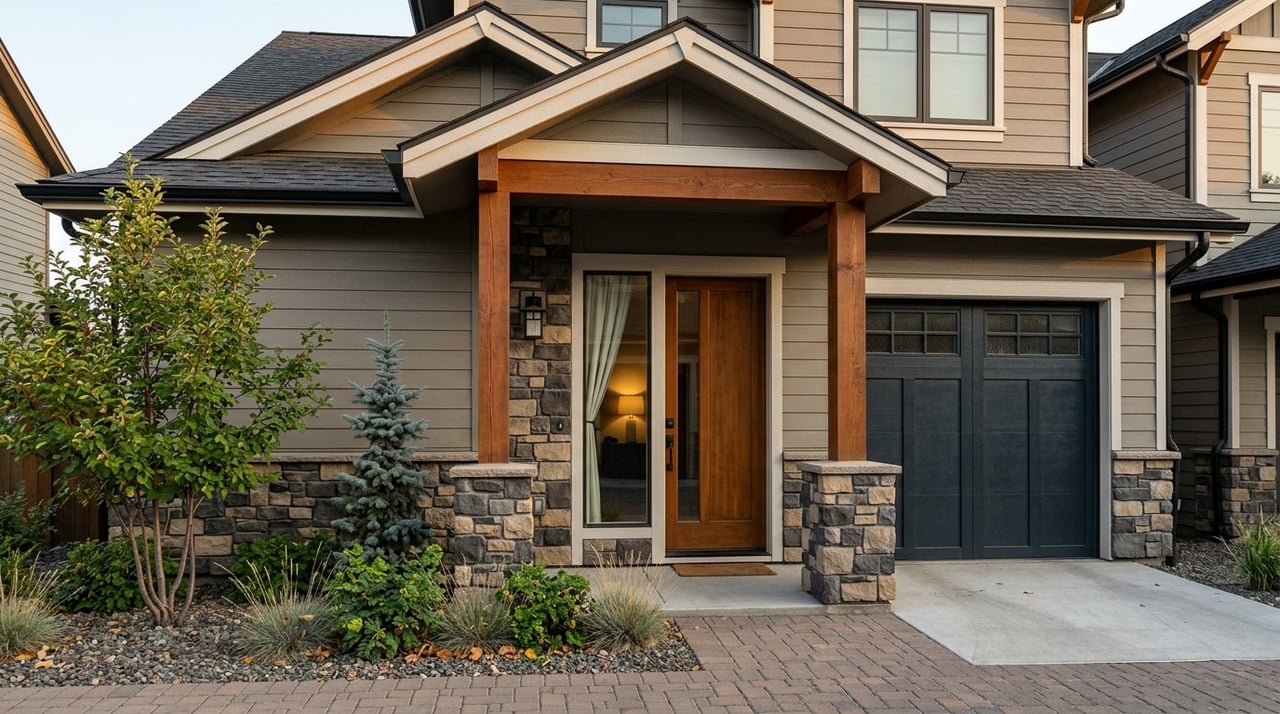
Wondering whether a downtown Steamboat condo or townhome is the better fit? It is a smart question, especially in a walkable mountain town where parking, outdoor space, HOA structure, and renovation rules can shape your day-to-day life as much as the floor plan itself. If you want to live near restaurants, shops, trails, and the energy of downtown, this guide will help you compare the two with more confidence. Let’s dive in.
Why downtown Steamboat feels different
Downtown Steamboat is built for activity. The city describes it as a vibrant, pedestrian-oriented mixed-use district with dining, retail, arts, services, workplaces, and residential living all woven together.
That shows up in real life as walkable sidewalks, attached buildings, active storefronts, and easy access to everyday spots. The Yampa River Core Trail also runs through downtown, which adds to the appeal if you want to get around on foot or by bike.
Because of that urban form, homes near the core are often closer together and more likely to be attached. The city’s planning documents point to small lots, small setbacks, and a mix of housing types like townhomes, duplexes, and small multifamily buildings around downtown.
Condos vs townhomes at a glance
In downtown Steamboat, condos and townhomes can look similar from the street. Both may be attached, both may be governed by an HOA, and both may come with shared rules and shared expenses.
The bigger difference is usually not the label. It is how the recorded declaration assigns maintenance, insurance responsibilities, parking rights, outdoor space, and owner use.
What a condo often means
A downtown condo often appeals to buyers who want a more lock-and-leave setup. In many cases, the association handles more of the exterior upkeep and common-area responsibilities, which can reduce the amount of hands-on maintenance you manage yourself.
That convenience often comes with more shared rules and less private outdoor space. You may also find that key features like patios, balconies, porches, exterior doors, or windows are treated as limited common elements rather than fully private property under Colorado law.
What a townhome often means
A townhome often feels more house-like, especially if it offers direct entry, a garage, or more exclusive-use outdoor space. That can be a strong fit if you want downtown access without giving up too much privacy or storage.
But the word “townhome” does not automatically mean more control or fewer HOA responsibilities. In Steamboat, a townhome only feels more independent if the declaration actually gives the owner more private responsibility or exclusive-use space.
Why the HOA documents matter most
If you take one thing from this comparison, make it this: the declaration matters more than the marketing description. Colorado’s Common Interest Ownership Act governs common-interest communities, and the declaration controls who maintains what.
The default framework is straightforward. The association generally maintains common elements, while the owner maintains the unit, but the exact boundaries can vary based on the recorded documents.
That is why two downtown properties that both look “attached” can function very differently. One may put more responsibility on the HOA, while the other may leave you with more upkeep, repair obligations, or insurance questions.
HOA fees and special assessments
Regular HOA assessments can cover a wide range of costs. According to Colorado DORA, those fees often fund maintenance, landscaping, insurance, legal fees, registration fees, and reserves.
Special assessments are another key part of the picture. They may be used for major repairs, common-element damage, new construction, or other unexpected expenses, so it is worth looking beyond the monthly dues and into the association’s overall financial health.
Insurance questions to ask
For attached communities, insurance deserves extra attention. DORA specifically notes that a condo or townhome association will almost certainly need to handle damage claims after events like hail or other disasters.
That means you should understand what the association insures, what you insure personally, and how claims are typically handled. This is one of the biggest areas where buyers can avoid surprises by reviewing documents early.
Parking can be the deal breaker
In downtown Steamboat, parking is not a minor detail. It can be one of the most important differences between two otherwise similar homes.
The city manages summer time limits on Lincoln Avenue and other downtown streets. There are also winter no-parking hours on city streets and shoulders from November 1 through April 30 for snow removal.
Public lots exist, but several have time limits, and Stockbridge Transit Center does not allow overnight parking. If you have a second car, regular guests, or gear that makes loading and unloading important, a garage or deeded space may matter more than whether the property is called a condo or a townhome.
What to confirm before you buy
Before you move forward, ask specific parking questions:
- Is parking deeded, assigned, shared, or first-come, first-served?
- Is there a garage, carport, or covered space?
- Are guest spaces available?
- What rules apply to oversized vehicles, trailers, or seasonal gear storage?
- Are any parking areas governed by the HOA versus public street rules?
Downtown street parking is tightly managed, and HOA authority does not extend to public rights-of-way. That is why the recorded parking setup matters so much.
Outdoor space is usually limited
Buyers often picture a townhome as having a yard and a condo as having a balcony. In downtown Steamboat, that distinction is not always so clean.
Because the area is designed with small setbacks, small lots, and close building spacing, outdoor space is often limited across both property types. Many condos will have modest private outdoor areas, and some townhomes may offer more ground-level access only if the site plan and declaration provide it.
Look past the brochure photos
If outdoor living is important to you, check exactly what comes with the property. A patio or balcony may be a limited common element, which can affect how it is maintained and what changes you can make.
This is where local, property-level review matters. You want to know whether that outdoor area is truly private, exclusive-use, or shared in a way that changes how you can enjoy it.
Renovation can be more complex downtown
If you are drawn to an older downtown property with character, make sure you also understand the renovation path. Old Town has a higher level of review than many suburban-style areas because the city has inventoried nearly 500 properties that are generally 50 years old or older to identify historical significance.
Properties over 50 years old may be considered Eligible Resources. The city requires mandatory historic review for planning applications and building permits on Eligible Resources.
Why this matters for condos and townhomes
If you are planning to update windows, alter an exterior façade, change doors, or make additions, the review process may affect cost and timing. Listed properties must follow local Historic Design Guidelines and the Secretary of the Interior’s Standards for Rehabilitation.
That does not mean renovation is off the table. It means you need to approach older downtown properties with careful due diligence, especially when exterior changes are part of your plan.
Which option fits your lifestyle?
For many buyers, the right choice comes down to how you want to use the home. A condo often suits buyers who want simple ownership, lower hands-on exterior maintenance, and easy walkability to the center of town.
A townhome often suits buyers who want a more house-like feel while staying in an attached, HOA-governed setting. You may place more value on direct entry, garage space, or a little more separation from neighbors.
Condos may fit you if you want:
- A lock-and-leave setup
- Less hands-on exterior maintenance
- Strong walkability to downtown amenities
- A simpler second-home base
Townhomes may fit you if you want:
- A more residential feel
- Direct entry and possibly more storage
- Better odds of garage space
- Potentially more outdoor access, depending on documents
If rental use matters, verify rules early
If short-term rental income is part of your plan, do not assume a downtown property can be used that way just because it is in a popular location. The city requires a short-term rental license, and it also notes that HOA rules may be more restrictive than city regulations.
The city also says there is no grandfather clause for short-term rental licensing. That means you should confirm the city license requirements, any overlay rules, and the HOA’s rental restrictions before you write an offer.
Your downtown due diligence checklist
Before buying a condo or townhome in downtown Steamboat, review these items carefully:
- Declaration and bylaws
- Current HOA budget
- Reserve levels
- Special assessment history
- Association insurance structure
- Meeting minutes
- Parking rules and assigned spaces
- Rental rules
- Historic-status or permit-review constraints
This is where a practical review can save you time and money. In downtown Steamboat, the condo-versus-townhome decision is usually really a decision about documents, parking, and renovation limits.
If you want help sorting through those details, working with someone who understands both the local market and the built environment can make the process much clearer. Will Kennish brings local Steamboat knowledge, construction fluency, and hands-on guidance to help you compare options, spot risk, and move forward with confidence.
FAQs
What is the biggest difference between a condo and townhome in downtown Steamboat?
- The biggest difference is usually not the label. It is the declaration, which defines maintenance duties, common elements, parking rights, and how much control you have over outdoor space and repairs.
Are townhomes in downtown Steamboat always easier to park than condos?
- Not always. A townhome may be more likely to include direct-access parking or a garage, but the only way to know is to confirm whether the space is deeded, assigned, or limited by HOA or city rules.
Do downtown Steamboat condos usually have private outdoor space?
- Many have modest outdoor areas like balconies or patios, but those spaces may be limited common elements rather than fully private property, so you should verify ownership and maintenance terms.
Can you renovate an older condo or townhome in Old Town Steamboat easily?
- Renovation may require more planning because properties over 50 years old may be considered Eligible Resources, and the city requires historic review for planning applications and building permits on those properties.
Are HOA fees in downtown Steamboat condos and townhomes worth it?
- HOA fees can be worthwhile if they align with the services and protections you want, but you should review the budget, reserves, insurance setup, and special-assessment history to understand the full cost.
Can you use a downtown Steamboat condo or townhome as a short-term rental?
- Possibly, but you need to verify both city licensing requirements and HOA rules early, because the city requires a short-term rental license and HOA restrictions may be stricter than city regulations.