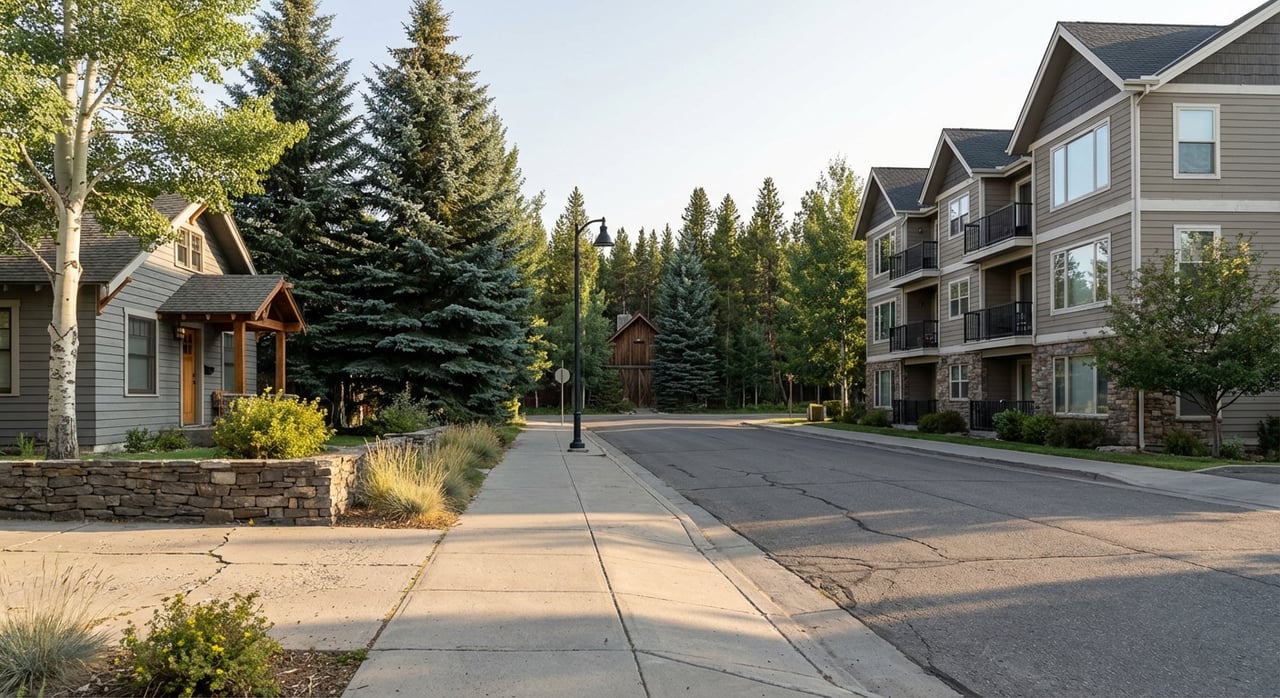
Trying to choose between waking up steps from the gondola or strolling to coffee on Lincoln Avenue? You are not alone. Many buyers weigh Steamboat’s two core lifestyles: Downtown’s walkable energy and the Mountain area’s slopeside convenience. This guide breaks down daily life, housing, transit, and short‑term rental rules so you can decide what fits your routine and goals. Let’s dive in.
Downtown living at a glance
Walkability and errands
If you want cafes, shops, galleries, and regular community events within a few blocks, downtown is built for you. The Lincoln Avenue and Yampa Street corridor is Steamboat’s commercial spine with frequent markets and festivals that keep the core active most days and many evenings. You can get a feel for the scene through Main Street’s overview of downtown access and events on this guide to getting downtown.
Trails and outdoor access
The Yampa River Core Trail runs right through town and connects to other parts of Steamboat. In warm months, that means you can bike or walk to errands and recreation without getting in a car. The city highlights trail connectivity and stewardship on its Adopt‑A‑Trail page, a useful snapshot of how the trail network ties into daily life.
Home types you will see
Downtown inventory is a mix of older single‑family homes on smaller lots, low‑maintenance condos, and newer infill townhomes or rowhomes. Buyers who want a lock‑and‑leave base within walking distance of dinner and events often target these newer attached options. Historic homes closer to the core can trade on character and access, while newer builds emphasize modern layouts and minimal upkeep.
Activity and noise profile
With farmers markets, parades, and summer concerts, downtown is Steamboat’s community stage. Expect higher daytime foot traffic and periodic evening activity. If you love strolling to dinner and catching events, it is a plus. If you prefer extra‑quiet evenings, you might focus on streets with more setback or properties with noise buffers. Main Street’s events listing in the downtown guide reflects this active rhythm.
Parking and getting around
Street parking and municipal lots support most of the core, and off‑street parking can be limited at some addresses. The city’s free bus system runs between downtown and the base area, with in‑season buses typically about every 20 minutes, which helps reduce car dependence. See routes and rider details in the city’s Getting Around page.
Mountain area living at a glance
Slope access and services
If your ideal morning starts on the gondola, the base area delivers. Slopeside and near‑base developments prioritize immediate lift access and mountain services like equipment storage, ski valets, and on‑site dining. This is the core lifestyle tradeoff versus downtown: more time on the hill on ski days in exchange for fewer walkable urban errands.
Housing mix and amenities
You will find ski‑in/ski‑out condos, resort hotels with condo or interval options, and townhomes or single‑family homes in nearby subdivisions. Many buildings are set up for seasonal use, with amenities and HOA rules that shape how you live and rent. If rental income or guest use matters, review each HOA’s parking, pet, and rental terms early.
Event energy and noise
Gondola Square serves as a hub for mountain festivals and concerts. Signature events like WinterWonderGrass bring a lively crowd to the base. Compared with downtown, you may encounter more event‑focused noise during peak weekends and fewer late‑night bar hubs. Your exact experience will depend on building orientation and event schedules.
Parking and arrival logistics
Resort parking is a mix of free and paid lots and garages, and logistics can change with the season. If you plan to drive frequently or host guests, confirm current lot options and shuttle patterns through local resort guides like this parking overview. The city’s free bus network also links neighborhoods to the base, outlined on the Getting Around page.
Rentals and rules that affect use
Short‑term rental overlays
Steamboat uses a short‑term rental overlay system with three colors that set where STRs are by‑right, limited, or not allowed. Resort and gondola districts are generally more permissive, while many residential zones require permits or have caps. A legal overview in Colorado Lawyer explains Steamboat’s approach and why street‑by‑street checks matter; see the summary of STR zoning approaches in Colorado. Because the city has updated rules in recent years, confirm the current overlay map and permitting steps before you underwrite income or plan guest stays.
Local context and taxes
Regional coverage has linked STR policy to housing affordability and workforce impacts. The community has discussed caps and taxes to support housing efforts, which is part of why STR regulations can evolve. For background, review this report on how vacation towns, including Steamboat, addressed STRs. If rental revenue is part of your plan, budget for licensing, sales and lodging taxes, and compliance costs.
HOA rules can be stricter
Condo and townhome associations often set rental minimums, guest parking limits, and amenity hours that go beyond city code. Always request current HOA rental policies and recent meeting minutes. This is especially important in slopeside complexes where amenities drive guest expectations.
Routt County properties
If you are considering homes outside city limits, note that unincorporated Routt County has historically been more restrictive about STRs in residential areas. Confirm county rules early so your intended use aligns with local zoning.
Why diligence matters now
Steamboat’s STR ordinances have been refined through public process over time. For a sense of that evolution and community feedback, local coverage such as the Pilot’s ordinance updates offers useful context, including this report on early ordinance readings.
Market and cost snapshots
Citywide, Steamboat Springs carried a high median sale price relative to many Colorado towns. One public market snapshot put the city’s median around 954,000 dollars as of January 2026, with wide variation by neighborhood and product type. As you compare downtown condos with slopeside homes, expect premium pricing for true ski‑in/ski‑out, and competitive pricing for newer downtown townhomes that trade on walkability and views. Seasonal timing and buyer pools also differ, so align your search and pricing strategy with your timeline and use case.
Which lifestyle fits you
Use these prompts to match your day‑to‑day with the right neighborhood.
- Do you want door‑to‑door ski access, or is a short drive or free bus ride acceptable? Choose the Mountain area for immediate lifts. If you lean toward errands and dinners on foot, Downtown fits better. The city’s free transit runs frequent in‑season service between the base and town; see the Getting Around page.
- How important is nightlife and frequent dining on foot? Downtown is the clear winner for regular dining and strolling, reflected in Main Street’s downtown overview.
- Will you rely on short‑term rental income? Check the city’s overlay map and permit requirements for the exact address. Resort and gondola districts are often more permissive. The Colorado Lawyer summary of STR overlays explains how this works in Steamboat.
- Do you need a private garage and easy guest parking? Some downtown properties have limited off‑street parking. Many mountain buildings include structured parking, but always verify HOA policies and guest options.
- Are schools and year‑round services a priority? Steamboat’s public schools operate in District RE‑2. You can find general school information, including Steamboat Springs High School, via this neutral school reference. Verify attendance boundaries for specific addresses with the district.
- Are you prepared for winter and mountain property logistics? Ask for recent maintenance schedules, snow‑management plans, and any local hazard or disclosure documents. Mountain parcels and private roads can require more planning and budget.
Getting around without the hassle
Transit softens the tradeoff between Downtown and the Mountain area. The city runs a free bus system with frequent in‑season service, commonly about every 20 minutes, that links neighborhoods, downtown, and the ski base. Learn more and check current schedules on the Getting Around page.
Driving between downtown and the base is typically a quick hop of a few miles, often around 5 to 15 minutes. Peak weekends and holidays can add congestion, and parking rules change seasonally. At the resort, review current options using this parking overview, and plan your arrivals around event calendars like WinterWonderGrass to avoid crunch times.
How I help you choose with confidence
Picking between Downtown and the Mountain area is about more than vibe. It affects how you spend each day and how your property performs. I pair neighborhood knowledge with hands‑on construction and renovation expertise, so you understand both lifestyle fit and cost. Here is how we can work together:
- Neighborhood orientation tours that compare walkability, transit, and base access on your actual routes.
- HOA, parking, and STR due diligence so your intended use aligns with current rules and overlay zones.
- Renovation budgeting, vendor introductions, and project oversight if you want to update or optimize for rental and resale.
- Valuation and market reporting tailored to your product type and season, with investor‑grade cash‑flow analysis where relevant.
When you are ready to make a move in Steamboat Springs, reach out. Make the Move. Live the Dream. Connect with Will Kennish to start a focused, low‑stress search.
FAQs
What is the core difference between Downtown and the Mountain area in Steamboat?
- Downtown centers daily life around walkable dining, shops, and events, while the Mountain area prioritizes immediate lift access and resort services near the base.
How long does it take to get from Downtown to the ski base without a car?
- The city’s free buses run frequent in‑season service, commonly about every 20 minutes, linking downtown and the base; see routes on the city’s Getting Around page.
What should I know about short‑term rental rules before buying?
- Steamboat uses a colored overlay system that sets where STRs are by‑right or limited; always confirm the address against the latest map and permits. See this STR zoning overview for context.
Are events a factor in noise levels near the base area?
- Yes. The base hosts concerts and festivals like WinterWonderGrass, so event days can bring lively crowds and temporary noise.
Where can I learn about Steamboat Springs schools if I am moving full‑time?
- You can review neutral, high‑level information about Steamboat Springs High School and District RE‑2 through this school reference. Always verify attendance boundaries with the district.