What if your morning coffee, a riverfront stroll, and dinner on a lively Main Street were all part of a regular Tuesday? If you’re curious about life in Downtown Steamboat Springs, you likely want more than ski-weekend snapshots. You want the everyday rhythm: where you walk, how you get around, and what the seasons really feel like. In this guide, you’ll get a clear picture of Old Town living, from walkability and housing styles to winter parking and quiet shoulder seasons. Let’s dive in.
Downtown Steamboat at a glance
Downtown Steamboat Springs sits along the Yampa River at about 6,700 feet. The city is a small mountain community, with population in the low to mid 10,000s and county totals in the mid 20,000s. The compact core centers on Lincoln Avenue/Main Street and nearby blocks, where storefronts, parks, and residences sit close together.
You’re minutes from everyday recreation. Howelsen Hill, the community ski area and winter sports hub, is in town. The Steamboat Ski Area on Mt. Werner is a short drive, often 15 to 25 minutes depending on conditions. For travel days, the Yampa Valley Regional Airport near Hayden is typically 30 to 45 minutes by car.
Walkability and daily conveniences
Streetscape and scale
Downtown is built for walking. Narrow storefronts, sidewalks with benches, and mature street trees make short errands simple. Restaurants, coffee shops, galleries, outfitters, and professional services cluster along Lincoln Avenue and adjacent blocks, so you can do a lot without getting in the car.
River and trail access
The Yampa River runs through downtown, and the Yampa River Core Trail gives you a direct line to fresh air. You can walk the pedestrian bridges, picnic in small riverside parks, or hop on a bike for a relaxed ride. In summer, you’ll see tubing, wading, and fishing become part of the backdrop of daily life.
Groceries, healthcare, and basics
You’ll find cafés, restaurants, retail, and at least one full‑service grocery option within a short drive of the core. For big‑box or specialty items, expect occasional trips to larger nearby towns. Healthcare needs are served locally by Yampa Valley Medical Center, with more specialized care available in larger regional centers.
Seasonal rhythms you’ll feel
Winter: energetic and snow‑shaped
Winter brings ski traffic, early morning commutes, and a lively après scene in the late afternoon. Snow removal and winter parking rules shape your routines, from where you leave your car to how long you plan for a drive. Evenings tend to buzz more during peak holidays and weekends, especially near popular dining blocks.
Summer: patios, river life, and music
Summer shifts outdoors. You’ll find patio dining, bikes on the trail, and river activity all day. The energy is steady but usually less dense than the busiest winter weeks. Outdoor concerts and community events add easy entertainment within a few blocks of home.
Spring and fall: the local quiet
Spring and autumn are the quieter “shoulder seasons.” Fewer visitors mean easier parking, more relaxed restaurant pacing, and a slower street tempo. Many locals love these periods for simple errands and low‑key evenings.
Event spikes
Festival days, parades, markets, and concert nights bring short bursts of excitement and crowds. You’ll trade some parking availability and a bit more noise for walkable access to events. If you prefer calm, one or two blocks off Main Street can feel noticeably quieter.
Housing mix and tradeoffs
What you’ll find
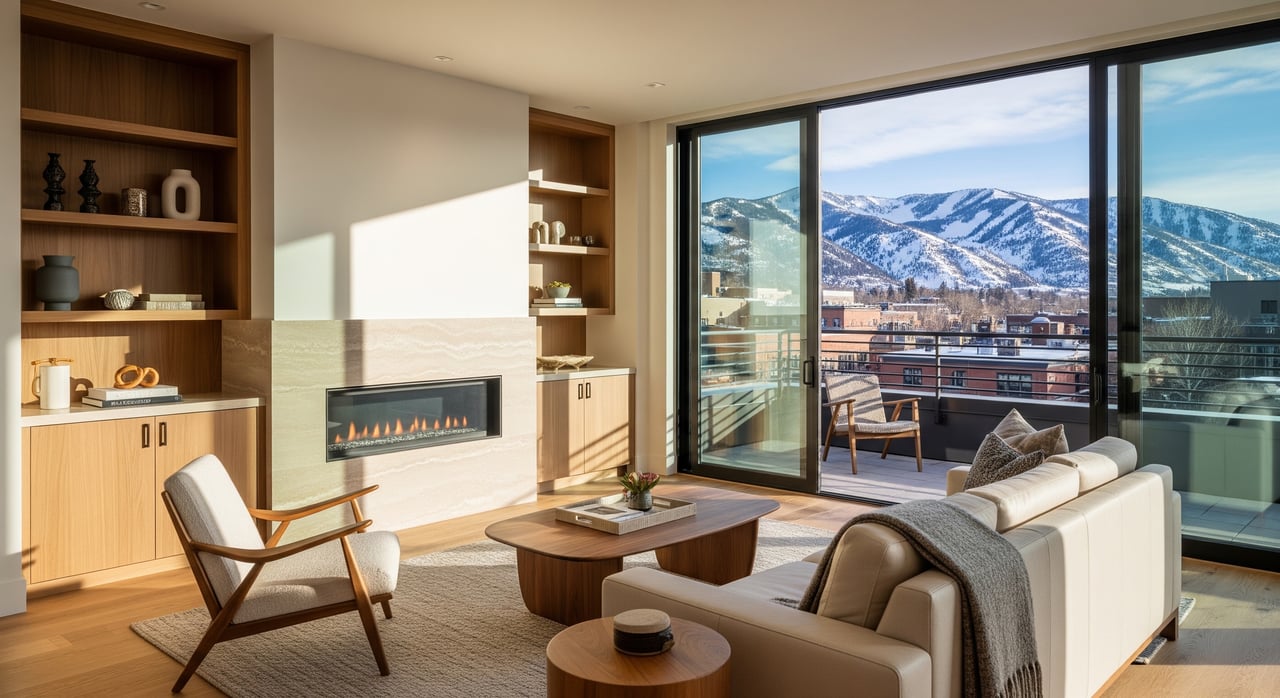
Downtown and Old Town include a range of homes. You’ll see small historic single‑family houses and cottages on compact lots, townhomes, and condos in both converted and purpose‑built mixed‑use buildings. Many residences sit above retail or just steps from commercial areas.
Charm vs. convenience
Older homes offer character and a classic Main Street feel, though they often come with smaller lots and limited on‑site parking. Newer infill properties tend to deliver modern systems, some dedicated parking, and low‑maintenance living. That convenience can include HOA fees and a more contemporary look.
Ownership and rental patterns
A notable portion of the broader market includes seasonal or second homes. If rental flexibility matters to you, review short‑term rental regulations and neighborhood norms before you buy. Rules, permitting, and taxes influence whether a property can be rented and how often.
Getting around without the stress
On foot and bike
Most day‑to‑day needs in the core are walkable. The river trail supports biking for errands or exercise. In winter, plan footwear and timing around snowplows and packed pathways.
Transit and shuttles
Local transit routes operate within Steamboat, and resort shuttles run in ski season. Schedules vary by season, so check timing before you rely on a route. Rideshare and taxis are available, but options can be more limited than in big cities, especially at peak times.
Driving and parking
Downtown has a mix of on‑street spaces, timed areas, and public lots. In snow season, overnight parking bans and plowing operations can change where you park and how you move your car. Winter weather extends drive times to the ski mountain, even though it looks close on the map.
Quick tips:
- Build a few extra minutes into winter drives, especially after storms.
- Keep a small snow brush and traction aids in the car.
- Explore side‑street routes to learn your best backup options during events.
A day in the life
Winter weekday
You might grab a warm drink, then walk the river trail as the sun lights up frosted trees. After work, downtown fills with skiers swapping stories and locals meeting for dinner. Streets hum with plows doing their rounds and roofs shedding snow after a bluebird day.
Summer Saturday
Start with a bike ride or a stroll across a pedestrian bridge to a riverside bench. Later, sample outdoor dining, then meet friends for live music. As evening cools settle in, you’ll feel the mountain air drop into crisp, comfortable temperatures.
Shoulder‑season Tuesday
In May or October, the town quiets. You’ll find easier tables at popular spots and more open seats on patios. Errands go fast, and the river trail becomes your peaceful soundtrack.
Everyday conveniences and community
Parks and programs
Howelsen Hill anchors winter sports with community programs and Nordic trails. Downtown parks and the Yampa River Core Trail are daily go‑tos for dog walks and quick fitness. Seasonal markets and outdoor performances add rhythm to the calendar.
Family life and nightlife
Daytime tends to suit families well, with parks and casual dining keeping things easy. Evenings offer options that range from low‑key to lively. Noise varies by block, by season, and by event day, so an in‑person walk at different times helps set clear expectations.
Schools and childcare
Public schools serve the area, and you’ll find private and alternative options as well. Childcare spots can be in high demand, especially in peak seasons. If schools and daycare are central to your decision, start early and talk with local providers about availability.
Practical considerations before you buy
Noise and crowd levels
Downtown comes alive on winter weekends and festival dates. If you want quieter evenings, look at homes a street or two off Main or condos set above retail with good sound insulation. Spend time on the block at night and on event days to test the vibe.
Snow and home maintenance
At 6,700 feet, snow and cold are a given. You’ll want reliable heating, sound insulation, and a plan for snow removal. Older homes may need upgrades to windows, roofs, or mechanical systems to handle winter efficiently.
Parking constraints
Older properties may lack garages or dedicated spots. If you own multiple vehicles or need gear storage, make parking a top filter in your search. Garages and assigned spaces carry a premium in the core.
Short‑term rental rules
The city and county regulate short‑term rentals. If income potential matters, confirm current rules, permitting, and taxation before you make assumptions. Understanding neighborhood norms helps you plan responsibly.
Cost of living and services
Mountain living can raise everyday costs for groceries, utilities, and heating. Contractor schedules can be seasonal. Planning and budgeting for these realities keeps surprises low.
Who downtown fits best
Downtown Steamboat is a strong match if you:
- Value walking to coffee, dinner, parks, and events.
- Want quick access to Howelsen Hill and the river trail.
- Prefer a smaller home with character or a modern condo near it all.
- Can trade some quiet and parking convenience for lifestyle access.
- Like a social calendar that follows the snow, the river, and the seasons.
How to explore like a local
- Visit in at least two seasons: one winter day and one summer day.
- Walk your target blocks in the morning, mid‑afternoon, and evening.
- Sample the river trail, then time your drive to the ski area after fresh snow.
- Note parking patterns on weekdays, weekends, and event nights.
- If renting is important, review current short‑term rental rules before you buy.
If Old Town living matches your pace, you’ll get a place where errands, recreation, and community are woven into normal days. When you want clear guidance on properties, tradeoffs, and renovation potential, connect with Will Kennish. Make the Move. Live the Dream.
FAQs
How long is the drive from downtown to the Steamboat Ski Area?
- Plan for about 15 to 25 minutes by car, with winter weather and traffic adding time during storms and peak periods.
Is Downtown Steamboat Springs walkable for daily errands?
- Yes, many everyday needs are within a short walk in the Old Town core, and the Yampa River Core Trail supports easy walking and biking.
What types of homes are common in Downtown Steamboat?
- You’ll find small historic cottages, townhomes, and condos in mixed‑use or infill buildings, often close to or above retail areas.
Are short‑term rentals allowed in downtown neighborhoods?
- Short‑term rentals are regulated by the city and county, so confirm current ordinances, permitting, and taxes for any property you consider.
How does winter affect parking and mobility downtown?
- Snow season can bring overnight parking bans, plowing operations, and time‑limited spaces, so expect to move cars as needed and allow extra travel time.
When is downtown the quietest time of year?
- Spring and fall shoulder seasons are typically quieter, while winter holidays, ski weekends, and festival days bring more activity and foot traffic.