You want a place where you can click out of your skis and be home in minutes, but choosing the right condo near Steamboat Ski Resort can feel complex fast. Between neighborhood differences, short‑term rental rules, HOA health, and mountain‑specific maintenance, there is a lot to weigh. This guide breaks the decision into clear steps so you can compare buildings, understand the rules, and buy with confidence in 80487. Let’s dive in.
Start with location fit
Mountain Area
If you want the closest ski access and more walk‑to‑village options, the Mountain Area is your target. Buildings range from older, well‑kept condos to newer luxury developments, so condition and systems can vary widely. Expect strong demand for views and walkability, which can push pricing and compress parking or storage. Make sure you verify the exact distance to the gondola or shuttle, plus where ski lockers and gear storage are located.
Base Area
The Base Area centers on Gondola Square and the transit hub, so you trade a few extra minutes of walking for top‑tier convenience to lifts, dining, and après. Many complexes here were built in earlier decades and updated over time, which makes building‑level inspections and HOA due diligence more important. Some associations have invested in major exterior and systems upgrades, while others may be planning them now. Factor future projects and special assessments into your comparison.
Wildhorse Meadows
Wildhorse Meadows is a newer, master‑planned neighborhood with direct access to the Wildhorse Gondola and resort‑style amenities. According to the resort’s neighborhood overview, you will find features like pools, hot tubs, fitness, and organized ski storage that support easy mountain living. Newer construction can mean better mudroom layouts, modern valves and piping, and larger storage, though dues can be higher due to amenities. Confirm whether a building you like sits inside Wildhorse Meadows using the resort’s Wildhorse Meadows neighborhood guide.
Know the STR rules before you shop
If you plan to rent nightly, zoning and licensing are as important as the HOA rules. Inside city limits, Steamboat Springs uses an STR Overlay with three zone types (A, B, C), plus a licensing program and operational standards. Review the city’s guidance and verify each address using the official resources in the Short‑Term Rentals rules and regulations. The city also applies a voter‑approved short‑term rental accommodations tax that affects your net yield; check current guidance in the accommodations tax summary.
If a property is outside city limits in unincorporated Routt County, nightly rentals are generally prohibited in residential zones without a commercial permit. Confirm zoning early using the county’s short‑term rental handout.
Here is a quick three‑step check if rental income is part of your plan:
- Confirm whether the address is inside the city, then look up the STR Overlay zone and licensing status using the city’s rules page.
- Request the HOA’s rental policy to see what is allowed in that building.
- If the unit has been rented, ask for recent rental revenue, occupancy, and tax remittance records.
Compare buildings and units like a pro
Age and construction quality
Building age affects everything from roofing and elevators to decks and plumbing. Older base‑area buildings can face exterior envelope and systems work, while many Wildhorse‑area buildings are newer with modern finishes. Ask for the year built, major capital projects from the last 5 to 10 years, and whether the developer fully turned over the HOA. The Community Associations Institute explains why the reserve study and funding plan matter for long‑term costs; use their guidance when reviewing documents in the CAI reserve study overview.
Snow, weather, and mountain risks
Steamboat’s Mount Werner sees significant snowfall, which means roof design, heated gutters, and ice‑dam mitigation are not optional. You can read general mountain context on Mount Werner and use it to frame your inspection questions. During tours, look closely at drainage, balcony flashings, downspout heat, and evidence of patchwork repairs. For slope‑side options, be aware that in‑bounds avalanche events do occur on rare occasions; local patrollers and CAIC updates help guide safety awareness, as noted in local reporting on backcountry safety.
Storage and mudroom setups
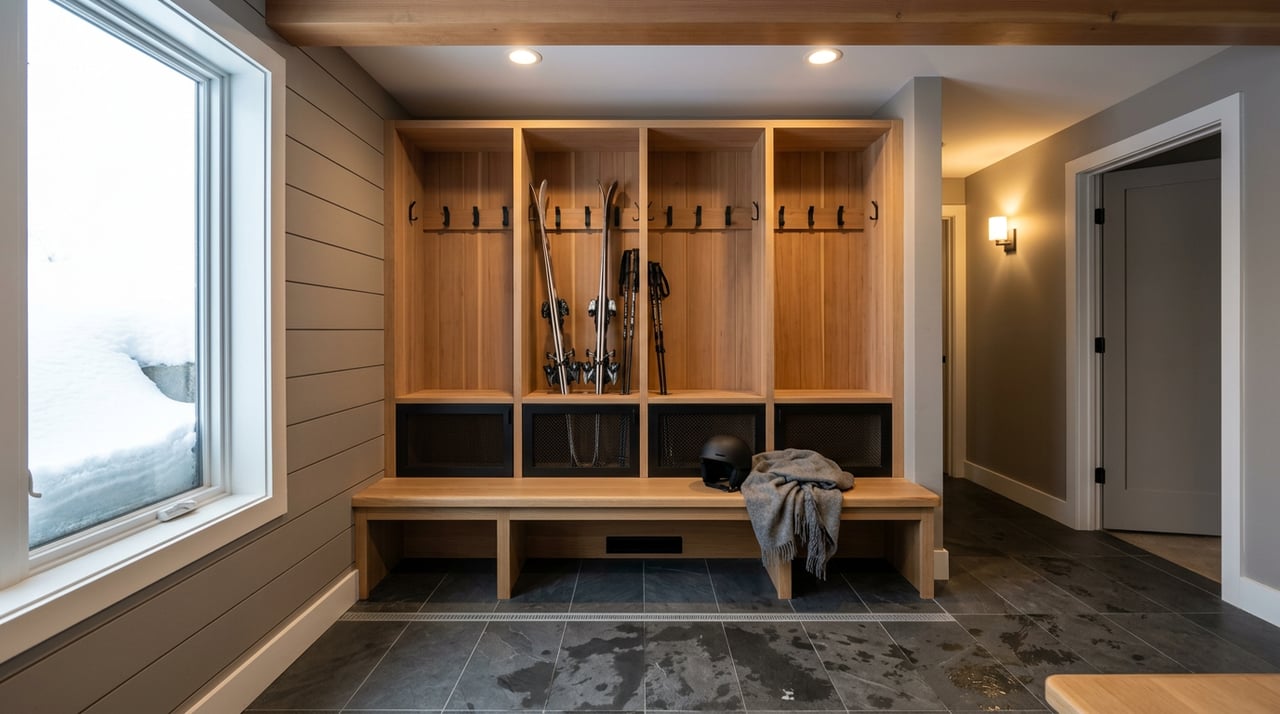
Gear storage can make or break your daily routine. Prioritize an interior mudroom or vestibule, durable flooring at the entry, and a spot for boot drying. Dedicated ski lockers near a building entrance or gondola, plus in‑unit laundry and covered parking, simplify winter logistics. Newer resort developments in the Wildhorse/Trailhead cluster often highlight these features in their amenity lists, which you can preview in the Wildhorse Meadows neighborhood overview.
Parking and winter logistics
Ask whether stalls are deeded or assigned, how many guest spaces exist, and if the garage is heated. Confirm snow removal responsibilities and the walking distance to transit or the gondola. If you plan to rent nightly, you must follow city operational rules that include parking standards and responsible‑party requirements described in the city STR rules. Clear parking instructions protect you and your guests during peak season.
Amenities vs. HOA cost tradeoff
Pools, hot tubs, fitness centers, elevators, shuttles, and heated garages are great for lifestyle and rentals. They also add operating and reserve costs that show up in dues. Newer Wildhorse and Trailhead properties often include multiple amenity lines, while some older base‑area complexes offer fewer. Compare amenity lists side by side and ask how the HOA funds long‑term repairs that support them.
HOA health: the documents you need
Before you fall in love with a unit, request a full due‑diligence packet. Use this checklist:
- Current budget and 12‑month income/expense statement.
- Most recent reserve study with percent funded and the schedule of upcoming capital projects. See CAI’s guidance on reserve planning in the reserve study overview.
- List of special assessments from the last 3 to 5 years and any planned assessments with timing and amounts.
- Insurance summary for the master policy, deductibles, and what portions of the unit are covered.
- HOA meeting minutes from the last 12 months and rules on rentals, pets, parking, and alterations.
- Management contract, if any, and the delinquent assessment report.
If the association cannot provide a reserve study, current financials, or recent minutes, treat it as a red flag and proceed carefully.
Renovation potential and permitting
If you plan to update an older unit, factor permitting and HOA approvals into your timeline. Major interior work that touches plumbing, gas, electrical, structural walls, or exterior elements typically needs permits and may involve planning review. The Routt County Regional Building Department handles plan review for the City of Steamboat Springs; start with the county’s permit and plan review process guide for expected steps and time frames.
Exterior changes and anything tied to common systems will also require HOA architectural approval. For older buildings or where you see exterior cracking or signs of water intrusion, consider an engineer‑level building inspection in addition to the unit inspection. CAI highlights the importance of structural reviews and reserve planning in its condo safety update.
What to inspect during tours
Bring a quick checklist and ask for access to shared areas:
- Unit interior: look for water stains, floor or ceiling cracks, window operation, and the age and location of hot water and heat systems.
- Balconies and decks: check railings, visible rot, movement, and flashing details.
- Shared systems: review elevator maintenance records, boiler or heat plant condition, garage drainage, and sump pumps. Request recent service logs.
- Exterior condition: note peeling or faded coatings, patched roofs, and temporary repairs in common areas.
- Insurance: confirm the master policy’s coverage and deductibles so you understand where owner responsibility begins.
Model the full cost of ownership
Build a simple model that includes your down payment, mortgage, property taxes, HOA dues, utilities, insurance, and reserves for future capital work. For property tax basics and payment guidance, use Routt County’s treasurer and assessor overview. If you plan to operate as a nightly rental, include the city accommodations and STR taxes from the accommodations tax summary. Clarify whether heat is central or individual, how parking fees work, and whether internet or cable is bundled in dues.
A simple decision framework
Use this step‑by‑step process to narrow your shortlist to the best buildings and floor plans to tour:
- Define primary use: full‑time, second home, or nightly STR. If STR is a must, confirm the address is inside city limits and check the overlay zone using the city’s STR rules.
- Set must‑haves to filter listings: covered parking for two, in‑unit laundry, a real mudroom, ski locker, and a walk or shuttle under 10 minutes to the gondola.
- Screen HOA health: require the budget, reserve study, and last 12 months of minutes; if the study is missing or severely underfunded, deprioritize until a plan is in place.
- Consider building age and systems: if a building is more than 30 to 40 years old, budget for potential roof, deck, or piping work and consider a building‑level engineer’s review.
- Test on‑site logistics during the tour: measure the mudroom, test locker access, confirm garage stall size, and time elevator travel during a peak arrival if possible.
- Planning a remodel: request HOA alteration rules and confirm permit scope and timing with the permit and plan review guide.
Quick red flags to avoid
- The HOA cannot or will not provide a current reserve study, financials, or recent meeting minutes. The CAI reserve guidance explains why this matters.
- Dues have spiked recently without a clear funding plan, or there is a history of repeated special assessments.
- You see unresolved signs of water intrusion or continuous exterior patchwork.
- The address is in unincorporated Routt County, but nightly rentals are being advertised. Confirm with the county’s STR handout before you proceed.
Ready to compare buildings, run real numbers, and find the right fit near the gondola? With deep local knowledge, construction fluency, and a hands‑on process, Will Kennish can help you shortlist the best options, review HOA health, model returns, and plan renovations with the right vendors. Make the Move. Live the Dream.
FAQs
What should I know about Steamboat’s short‑term rental rules?
- Inside city limits, Steamboat uses an STR Overlay with licensing and operating standards, so you need to verify the zone for each address, confirm license eligibility, and factor the city’s STR tax into your numbers.
Are nightly rentals allowed in unincorporated Routt County?
- Generally no; nightly rentals are prohibited in residential zones outside city limits unless a commercial permit exists, so always confirm county zoning before assuming STR income.
Why consider Wildhorse Meadows for a ski condo?
- It is a newer, master‑planned neighborhood with the Wildhorse Gondola and resort‑style amenities, which supports easy ski access, practical storage, and rental appeal, often with higher HOA dues tied to amenities.
Which HOA documents should I review before I buy?
- Ask for the current budget, reserve study with funded ratio, special assessment history, insurance summary, recent meeting minutes, rules, management contract, and the delinquency report.
Do I need permits to remodel a Steamboat condo?
- Yes for most significant changes; coordinate early with the Routt County Regional Building Department for permits and timelines, and get HOA architectural approval for any work affecting common elements or building systems.