If you own an Old Town Steamboat home, it is easy to wonder where to spend money before listing and where to leave well enough alone. In a neighborhood with older housing stock, historic review rules, and a market where buyers have more time to compare options, the smartest updates are usually the ones that improve condition, function, and presentation without creating permit headaches or overbuilding the property. This guide walks you through the pre-listing updates that tend to make sense in Old Town Steamboat, plus how to time the work so you can hit the market with confidence. Let’s dive in.
Why smart updates matter in Old Town
Old Town Steamboat is not a one-size-fits-all prep market. The City of Steamboat Springs says it has completed nearly 500 architectural and historical inventories in Old Town, generally for properties that are 50 years old or older, to help guide permit and planning decisions.
That matters because homes over 50 years old may be considered Eligible Resources. If your property falls into that category, planning applications and building permits go through mandatory historic review, especially for exterior changes.
This is one reason thoughtful, moderate improvements often outperform major overhauls. In a buyer-leaning market with median days on market around 104 and a median listing price near $1.44 million in March 2026, visible condition and practical upgrades can do more for your sale than a highly customized remodel.
Start with a pre-listing game plan
Before you pick paint colors or order new fixtures, build a short project plan. In Old Town, the best listing prep usually starts with understanding three things: whether historic review may apply, whether permits are needed, and which repairs affect buyer confidence the most.
The Routt County Regional Building Department handles building and trade permits for Steamboat Springs, along with code enforcement for unpermitted work. The city also encourages owners to connect early and even recommends a Walk and Talk with the Building Department before starting a project to reduce surprises later.
If you are an out-of-town owner or second-home seller, this step is especially helpful. Routt County notes that owners acting as their own permit applicant may do so only on a primary dwelling, while secondary dwellings generally require contractor qualification.
Focus on repairs before cosmetics
The highest-value prep work often is not glamorous. If your home has roofing wear, moisture issues, deferred maintenance, or older systems that affect day-to-day function, address those items first.
That sequence matters for two reasons. First, buyers notice signs of poor maintenance quickly in older homes. Second, once permit-heavy or inspection-sensitive items are solved, you can finish with lighter cosmetic work and staging closer to the list date.
A practical order for many Old Town sellers looks like this:
- Evaluate roof, drainage, and moisture-related issues.
- Confirm whether exterior work may trigger historic review.
- Handle permit-heavy repairs first.
- Schedule cosmetic updates after the major work is complete.
- Add staging and final presentation at the end.
Best pre-listing updates for Old Town homes
Refresh the kitchen, do not overbuild it
For many sellers, the kitchen is the best place to spend carefully. The 2025 Remodeling Impact Report found that minor kitchen upgrades scored especially well, and kitchen upgrades were among the projects Realtors reported as having increased demand.
In Old Town, that supports a modest refresh instead of a full gut renovation. Think painted cabinetry, updated hardware, better lighting, fresh counters, and selective appliance replacement if older units drag down the room.
This approach tends to fit the neighborhood better and keeps the home feeling authentic. It also reduces the chance that you sink money into a finish package a buyer may not value at the same level.
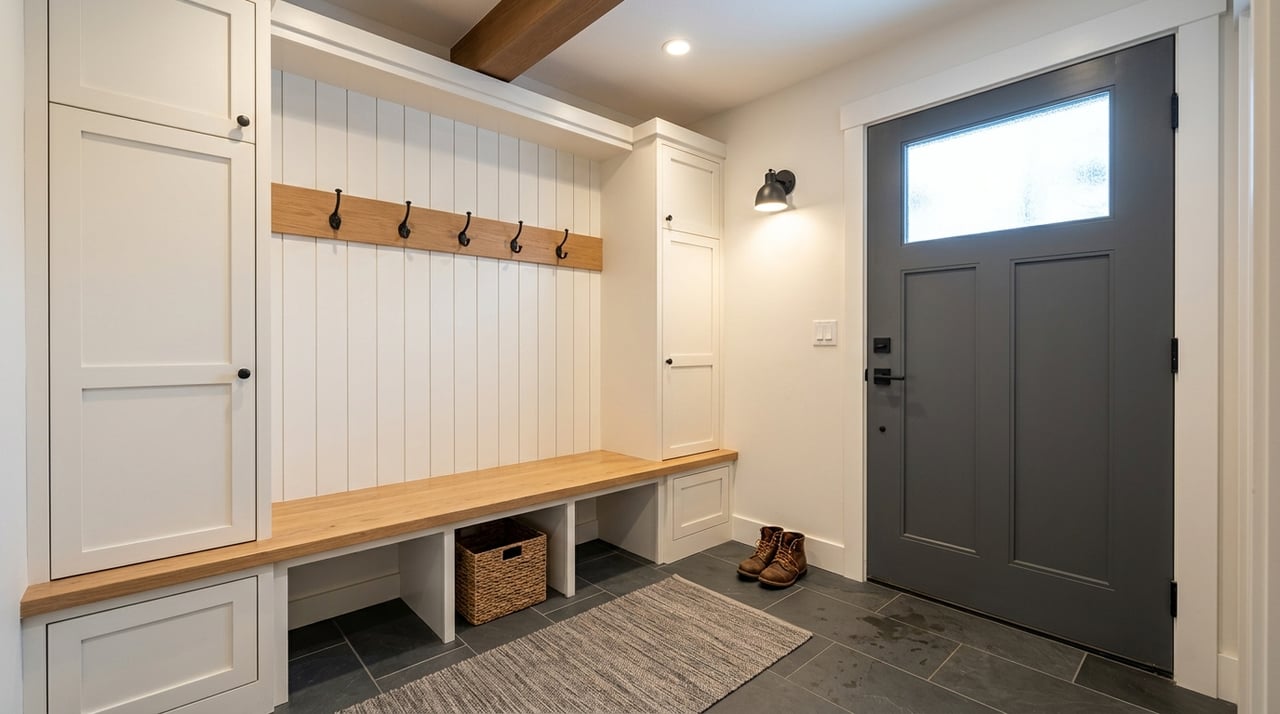
Improve storage and entry function
Older homes often charm buyers, but they can fall short on storage and daily flow. That is why closet work, mudroom function, and entry organization deserve real attention before you list.
NAR data showed closet renovation among the highest cost-recovery projects, and organization is a common remodeling motivation. In practical terms, built-ins, benches, hooks, shelving, and a cleaner drop zone can help your home feel easier to live in right away.
In Steamboat, entry function matters year-round. Buyers notice where coats, boots, bags, and outdoor gear will go, so even simple carpentry or storage improvements can have outsized appeal.
Give bathrooms a clean, durable update
Bathrooms do not need luxury finishes to make a strong impression. In an older neighborhood like Old Town, a clean, simple, durable refresh is often more defensible than an expensive spa-style remodel.
That can mean updated lighting, mirrors, faucets, paint, hardware, and selective surface replacement where wear shows. The goal is to make the space feel fresh, bright, and easy to maintain.
Tune up the exterior
Exterior presentation shapes buyer expectations before they ever step inside. NAR found that Realtors most often recommend painting the entire home and new roofing before listing, and a new steel front door showed 100% cost recovery in its chart.
Not every home needs all of that, of course. But peeling paint, tired trim, worn steps, or an entry that feels neglected can make buyers assume larger maintenance issues are hiding underneath.
Some smaller cosmetic projects may be simpler to tackle than sellers expect. The county notes that certain limited work, such as painting, cabinets and countertops, and limited deck-board replacement, may be exempt from building permits.
Choose water-wise landscape improvements
Curb appeal still matters, but in Steamboat today, landscape choices should also reflect water use. Steamboat Springs and the Mt. Werner Water & Sanitation District declared Stage 2 drought conditions on March 26, 2026, and the city says irrigation accounts for about one-third of treated water use.
That makes drought-tolerant landscaping, irrigation tune-ups, and smart irrigation controls especially relevant. If your yard feels overgrown or water-hungry, a simpler and more efficient landscape plan can improve presentation while aligning with current local conditions.
Outdoor water-efficiency rebates are available, and the city says applications must be filed within 90 days of purchase. If this work is part of your prep, timing matters.
Historic review can shape your update choices
In Old Town, exterior changes deserve extra caution. The city says buildings, structures, sites, or objects over 50 years old may be Eligible Resources, and if your property is an Eligible Resource, planning applications and building permits go through mandatory historic review.
For properties on the local Steamboat Springs Register of Historic Places, improvements must follow the local Historic Design Guidelines and the Secretary of the Interior’s Standards for Rehabilitation. The city’s preservation plan says the updated guidance is meant to prevent incompatible alterations and additions and to keep massing and scale compatible with historic character.
What does that mean for you as a seller? Usually, it means staying cautious with additions, major exterior redesigns, and highly visible changes that could alter the home’s scale or character.
Safer update categories to consider
If your goal is to prepare for market without inviting delays, these types of projects are often easier to defend:
- Interior paint and finish refreshes
- Minor kitchen improvements
- Bathroom updates focused on durability and cleanliness
- Storage and mudroom upgrades
- Exterior maintenance and repair
- Landscape clean-up and irrigation efficiency work
That does not mean every project is automatically simple. It means these updates are more likely to support buyer appeal without changing the basic character of the home.
Energy upgrades can be worth a look
Energy efficiency is a common remodeling motivation, and it can help your home show better to practical buyers. A pre-listing energy assessment can also help you decide whether small improvements are worth doing before sale.
Locally, YVEA offers a $250 energy-assessment rebate, and Routt County Extension offers free HEAL kits. That makes an audit a relatively easy first step if you are trying to identify quick efficiency wins.
Colorado’s Home Energy Rebate Program also offers HEAR rebates to qualifying low- and moderate-income single-family households through registered contractors. The state says rebates for eligible improvements can total up to $14,000 per household, but DIY installations are not allowed for rebate-eligible appliance swaps.
For sellers, the takeaway is simple: if an older appliance, panel, or water-heating system is already on your fix list, check whether a contractor-led rebate path may apply before you spend the money.
What to skip before listing
Not every improvement helps your sale. In Old Town, some projects are more likely to create cost, delay, or design risk than a clear return.
You should weigh these carefully:
- Large additions
- Full gut renovations without a strong pricing reason
- Highly personalized finishes
- Layout changes that trigger bigger permit or review issues
- Over-improving beyond surrounding buyer expectations
In a buyer-leaning market, buyers often reward homes that feel cared for, functional, and move-in ready. They do not always reward sellers for the most expensive project on the block.
A smart timeline before you list
Good prep is as much about timing as it is about budget. If you sequence work correctly, you can reduce stress, avoid rework, and keep the home looking fresh when photos and showings begin.
Here is a practical timeline for many Old Town sellers:
| Timing | Priority |
|---|---|
| 6-12 weeks before listing | Confirm historic review or permit needs, inspect roof and moisture issues, scope major repairs |
| 4-8 weeks before listing | Complete permit-heavy work, contractor items, and exterior maintenance |
| 2-4 weeks before listing | Paint, fixtures, hardware, light carpentry, storage updates |
| 1-2 weeks before listing | Deep clean, staging, landscape touch-up, final punch list |
This kind of sequence helps protect flexibility. It also keeps the final presentation from getting worn down by earlier construction activity.
How to think about return in Steamboat
The best pre-listing updates are not just about cost recovery on paper. They are about helping buyers feel confident in the home, reducing objections during inspection, and supporting your asking price in a market where buyers have options.
For Old Town Steamboat homes, that usually means prioritizing condition, compatibility, and function. If a project improves how the home lives, respects the character of the property, and avoids unnecessary permit risk, it is often worth stronger consideration.
This is where local judgment matters. An older home in Steamboat can benefit from thoughtful prep, but the right scope depends on the home’s age, condition, historic status, and price point.
If you want help building a smart pre-listing plan for your Old Town property, Will Kennish can help you prioritize updates, coordinate vendors, and bring your home to market with a practical strategy that protects value. Make the Move. Live the Dream.
FAQs
What pre-listing updates add the most value for Old Town Steamboat homes?
- Minor kitchen refreshes, bathroom updates, storage improvements, exterior tune-ups, and visible maintenance repairs tend to be the most practical pre-listing updates for Old Town Steamboat homes.
Do Old Town Steamboat homes need historic review before updates?
- Some do. The City of Steamboat Springs says properties over 50 years old may be Eligible Resources, and planning applications or building permits for eligible properties go through mandatory historic review.
Are permits required for cosmetic updates in Steamboat Springs?
- Some cosmetic work may be exempt, including certain painting, cabinet or countertop work, and limited deck-board replacement, but permit needs vary by project and property.
Should you remodel a kitchen fully before selling an Old Town Steamboat house?
- Usually, a minor kitchen upgrade is the more balanced strategy, especially in an older neighborhood where buyers may value function and character more than an expensive full replacement.
What is the best order for pre-listing work on a Steamboat Springs home?
- A smart sequence is to address roof, drainage, moisture, and permit-heavy items first, then complete cosmetic updates, and finish with cleaning, staging, and final curb appeal work close to the list date.
Are there energy or water rebates that may help Steamboat Springs sellers?
- Yes. Local energy assessment incentives, free HEAL kits, state HEAR rebates for qualifying households, and outdoor water-efficiency rebates may apply, depending on the project and eligibility rules.