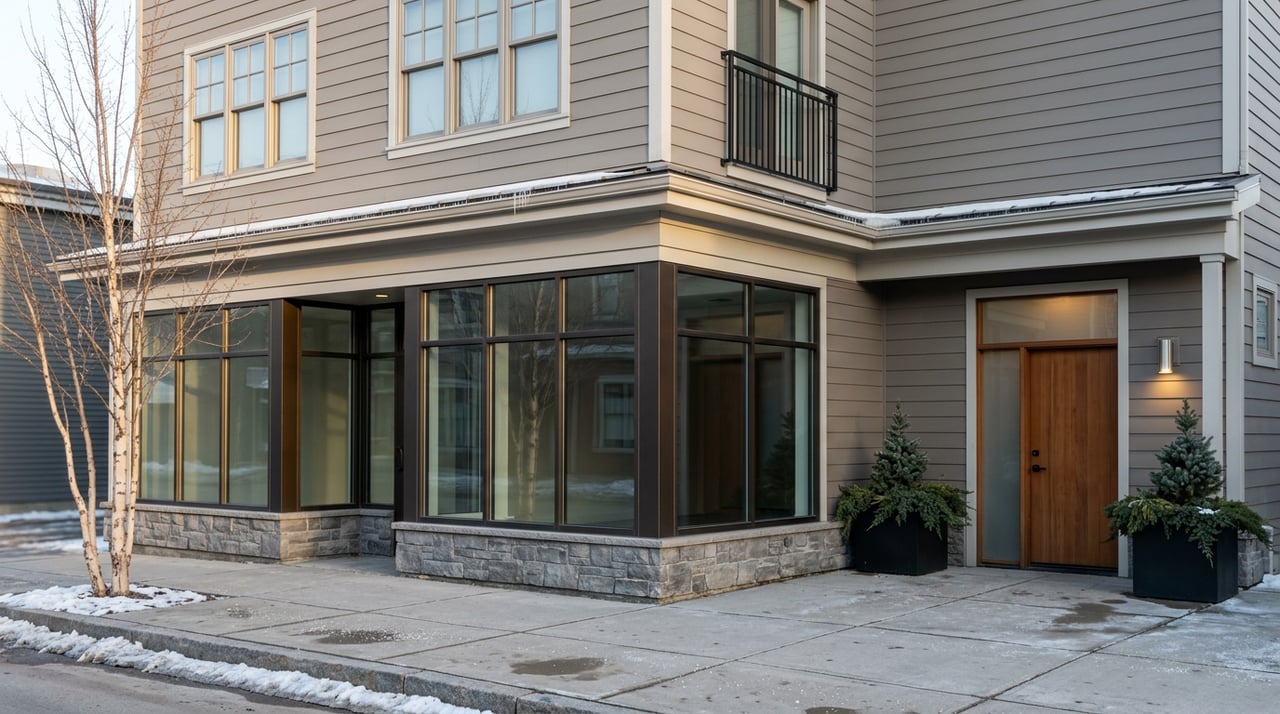
You can feel the energy in Downtown Steamboat Springs. Walkable blocks, dining on Lincoln Avenue, events year-round, and quick access to the mountain make the core a natural draw. If you are eyeing a duplex, a condo over retail, or a live-work space, the opportunity can be real, but so are the rules and mountain-specific costs. In this guide, you’ll learn how seasonality, short-term rental rules, zoning, historic review, renovations, parking, and holding costs affect your plan. Let’s dive in.
Why downtown Steamboat appeals to investors
Downtown cores in mountain towns often command price premiums, maintain steady demand near shops and transit, and sit under tighter regulations. Steamboat follows that pattern. Local market reporting highlights competitive conditions with limited supply since 2020 and strong buyer interest in the core. That context helps explain why downtown units can be sought after, especially near Lincoln Avenue and Old Town. See examples of core-strength narratives in the Steamboat Sotheby’s market report archive.
Recent reporting also notes a sharp run-up in housing values after 2020 and the ripple effects on assessed values and tax notices. This does not guarantee future outcomes, but it frames today’s underwriting environment as supply constrained and cost sensitive. For background, review this overview of rising prices and affordability pressures.
Understand seasonality and demand
Steamboat is a classic ski-town market with a pronounced winter peak from mid-December through early April. Local airport planning and travel coverage point to growth in winter air service and the mid-December to April window as the busiest for enplanements. That surge typically supports higher nightly rates and occupancy for legal STRs during winter, with summer and shoulder seasons influenced by events and outdoor recreation. For context on recent travel patterns, see coverage of winter passenger growth at the Yampa Valley Regional Airport.
If you plan long-term rentals, winter intensity still matters. Tenants who work in resort or service roles may value downtown proximity to transit and retail. For STRs, be ready for staffing and cleaning loads to spike in winter and normalize in shoulder seasons.
Where nightly rentals are allowed
Steamboat Springs adopted a citywide STR program and an STR Overlay Zone in 2022. The overlay divides the city into three categories: Zone A with no cap, Zone B with restricted or capped licensing, and Zone C where STRs are prohibited. You must hold an annual STR license and follow operating rules, including occupancy limits tied to square footage, parking limits, a designated local responsible party, and a one-hour response requirement for complaints. In November 2022, voters also approved an additional 9 percent STR tax. These items can materially change your numbers and eligibility. Review the city’s short-term rental rules and tax overview before you underwrite a nightly model.
Eligibility varies block by block downtown. Use the City’s mapping tools to check the parcel’s STR overlay, zoning, and other constraints. Start with the City GIS and interactive maps to confirm what is possible on a specific lot.
Zoning, maps, and historic review
Downtown Steamboat includes commercial and mixed-use zones, and the Lincoln Avenue corridor sits within a National Register historic district. Many lots support residential-over-retail or live-work in principle, but you should verify zoning, use permissions, and any overlay constraints at the parcel level in the City GIS.
If the building is more than 50 years old or identified as a historic resource, the City applies a mandatory historic-resource review for planning applications and permits. This review focuses on exterior changes and can affect timelines, design options, and potentially eligibility for historic tax incentives. The City recommends early contact with Historic Preservation staff. Read the City’s summary of the mandatory historic review process.
Property types downtown: what to watch
Small multi-unit buildings
Duplexes, triplexes, and small four-plexes are common targets for owner-occupants or small portfolios. Confirm allowed density, parking requirements, and any STR permissions for each parcel. Proximity to services can support long-term rental demand, but on-site parking is often a make-or-break detail.
Condos over retail
Mixed-use buildings on or near Lincoln Avenue often stack residential units over ground-floor commercial. These properties follow both commercial and residential codes and may have separate commercial leases. Expect HOA or building rules that govern use, access, and costs. If you plan to operate an STR, verify both the City overlay eligibility and the HOA’s stance.
Townhomes and attached units
Townhomes are typically governed by HOAs, which can add stability and shared maintenance, but also restrictions and fees. Review CC&Rs, budgets, rental rules, and reserve studies in detail. For a helpful primer on HOA due diligence items, see this overview of what to review before buying in an HOA.
Live-work and storefront residences
Live-work properties can suit owner-operators who want commercial presence with a residence attached. Feasibility depends on zoning and building code classification for mixed use. Confirm use categories and how any future changes would be permitted.
Renovation and permitting: budget for mountain realities
Renovations in mixed-use buildings trigger commercial-life-safety rules. If you add or reconfigure residential units over retail, plan for egress, fire separation, sprinklers, and separate mechanical, plumbing, and electrical reviews. Building and Fire permits are distinct, and multiple review rounds are common. The City’s permit portal illustrates how commercial and residential reviews appear as separate processes. See the CityView reference for an example of permit and review steps.
Mountain climate adds cost. Insulation, air sealing, and HVAC must handle freeze protection. Roofs need to carry snow loads and manage shedding safely. Exterior waterproofing and snow-management planning are critical in older structures. Upper units over retail often lack secure gear storage for skis and bikes, which can be a competitive disadvantage if you plan to rent. Budget for adding storage lockers or a gear room where feasible.
Parking, access, and storage
Downtown public parking is limited and carefully managed. Assigned or off-street parking can be a decisive factor for both STR guests and long-term tenants. If a property lacks dedicated spaces, quantify options early, including proximity to the Rio Grande Garage, municipal lots, or leased off-site spaces. For background on supply and turnover pressures, review the City’s downtown parking analysis.
Access and storage also matter. Clear snow plans, safe winter access, and room for bikes and skis can protect your asset and improve renter satisfaction. In older mixed-use buildings, plan for lighting, signage, and secure entry improvements.
Operating and holding costs
Carry costs in downtown Steamboat often include:
- Property taxes. Routt County reassessments have changed valuations in recent years. Use county data to estimate parcel-specific taxes and mill levies. For a starting point on local tax mechanics, see this Routt County taxes and financing overview.
- Insurance. Mountain properties face winter-related exposures, which can raise premiums.
- HOA dues. Condos and townhomes may have significant monthly fees and special assessments.
- Utilities and winter maintenance. Snow removal, de-icing, and heat trace add up.
- STR-related costs. Licensed STRs must meet occupancy limits of one person per 150 square feet, with a minimum of 2 and a maximum of 16. Budget for licensing fees, the additional 9 percent STR tax, local responsible-party coverage for the one-hour response rule, and higher cleaning and turnover costs in peak season. Licenses can be revoked for noncompliance, so allocate time and funds for compliance management.
Common investor strategies
House-hack a small multi-unit
Live in one unit and lease the others to balance lifestyle and income. Confirm zoning, parking, and whether STRs are allowed or practical under the overlay and HOA rules, if any.
Condo over retail with flexible use
Own a residential unit while also benefiting from a ground-floor commercial lease in the building. Options range from long-term residential rental to owner occupancy. STR viability depends on both the City overlay and HOA rules.
Live-work for owner-operators
Pair your business with a residence to reduce commuting and consolidate costs. Verify the property’s mixed-use classification and any separate commercial permitting required for your intended use.
Due diligence checklist
Before you write an offer, confirm these items for the exact parcel:
- Check the STR Overlay Zone and licensing path for nightly rentals, including whether caps or lotteries apply.
- Verify zoning and permitted uses in the City GIS, including whether mixed-use or live-work is allowed.
- If the building is 50 years or older, contact Historic Preservation for early guidance on exterior changes and potential incentives.
- Review HOA CC&Rs, rental restrictions, budgets, and reserve studies for condos and townhomes.
- Pull permit history and confirm that prior conversions were properly permitted, with consistent certificates of occupancy.
- Confirm parking assignments and the ability to meet City parking requirements for your intended use.
- Model the STR tax, licensing fees, and management costs if you plan a nightly rental.
- Estimate property taxes using the parcel’s assessed value and mill levy. Note any valuation appeals or timing considerations in assessor records.
How a local expert helps
Downtown Steamboat deals reward precise homework. You want early clarity on STR eligibility, HOA rules, historic review, and renovation scope so your numbers hold up. You also want realistic budgets for mountain upgrades, from snow load and freeze protection to storage and access. With deep local knowledge and construction fluency, you can spot issues before they become surprises and shape a plan that fits both your lifestyle and your underwriting.
If you are considering a downtown address and want pragmatic, project-oriented guidance, reach out to Will Kennish. From screening opportunities and mapping use options to renovation budgeting and vendor coordination, you will get clear steps, honest estimates, and responsive communication. Make the Move. Live the Dream.
FAQs
What months drive most STR demand in Steamboat?
- Winter is the peak season, generally mid-December through early April, when resort travel and air service are strongest, with summer and shoulder seasons varying by events and outdoor recreation.
How does Steamboat’s 9 percent STR tax affect my numbers?
- The voter-approved STR tax adds to the lodging tax burden for licensed nightly rentals, so you should model it along with licensing fees, management, cleaning, and compliance costs when evaluating a property.
What is the STR Overlay Zone and how do I check a parcel?
- The City divides areas into Zones A, B, and C, which range from no-cap to prohibited; verify a specific property’s zone and licensing path in the City’s interactive GIS before assuming STR income.
Could historic review delay my renovation?
- If a building is more than 50 years old or identified as a historic resource, exterior changes require mandatory review, which can add design steps and time but also helps align projects with local standards.
What if a downtown building has no assigned parking?
- Limited downtown supply means you should confirm on-site spaces or quantify alternatives like proximity to public lots or leased off-site spaces, since parking often influences tenant and guest appeal.
What holding costs do investors often underestimate downtown?
- Snow management, heat trace and freeze protection, higher insurance for winter exposure, HOA assessments, and STR compliance costs are common line items that deserve conservative budgeting.